How Video Games Can Truly Help Children
If you’re a Roblox fan, then you know how valuable promo codes and in-game freebies can be. Whether it’s exclusive cosmetics, limited-time boosts, or rare currency, codes make the grind easier and the game more fun. That’s where Pocket-Codes comes in — a website fully dedicated to collecting and organizing Roblox codes so you don’t have to waste time searching through scattered forums or outdated YouTube videos.
When people talk about video games and children, the conversation often takes a predictable turn. Concerns about screen time, addiction, or violence usually come first, while the positive sides get lost somewhere in the noise. But what if I told you that games, with all their colors, challenges, and even those little reward codes we all love to redeem, can actually play a meaningful role in a child’s growth? It may sound surprising, but the truth is far more inspiring than the negative headlines suggest.
Building Problem-Solving Skills
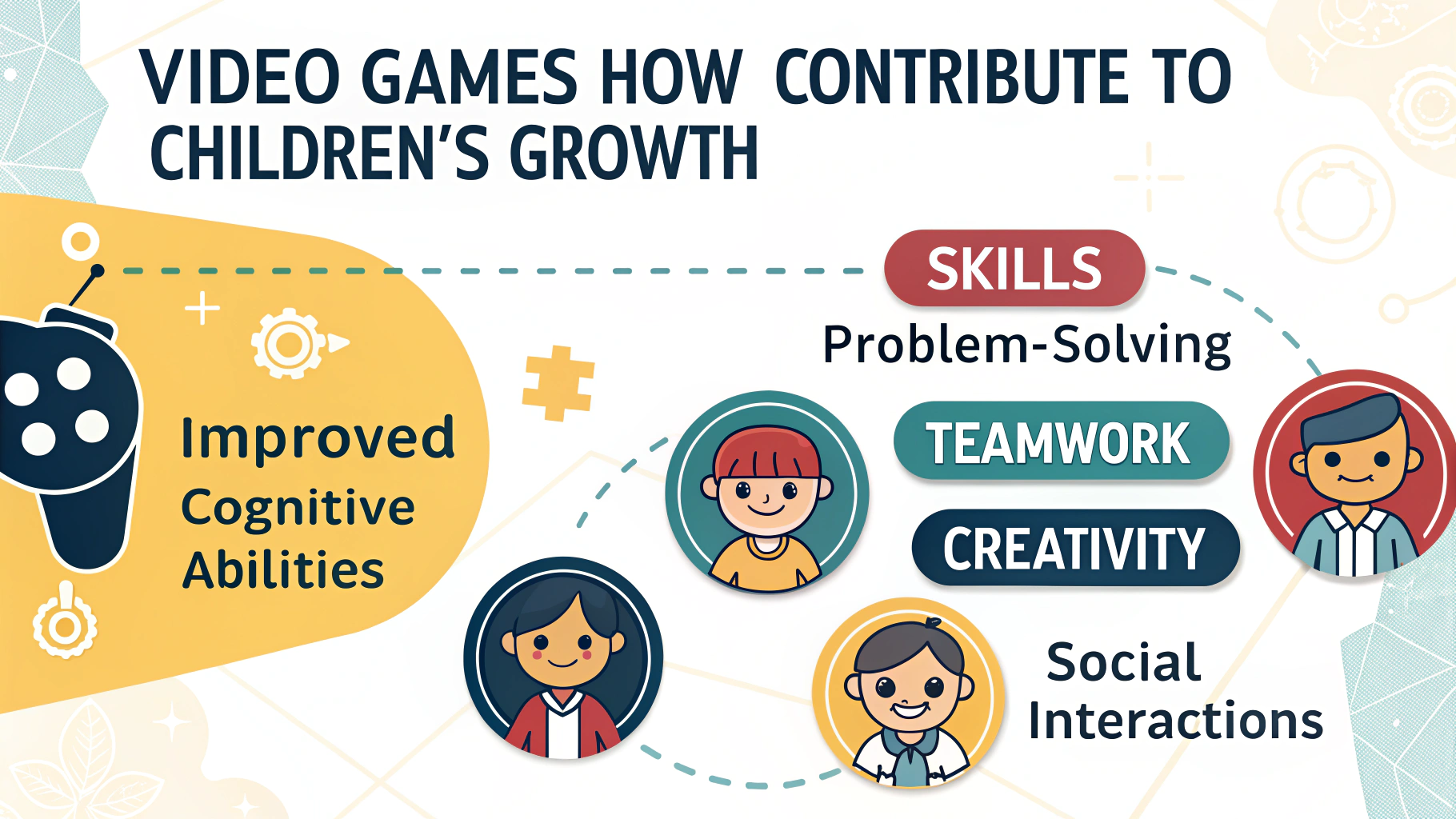
I still remember watching my younger cousin, who was only nine at the time, trying to solve a tricky puzzle in a platformer. He kept failing, yet instead of giving up, he experimented, tested new approaches, and eventually cracked it. What I saw wasn’t just a kid wasting time—it was problem-solving in its purest form. Games constantly throw obstacles at players, and kids learn to adapt. This ability to analyze, plan, and adjust on the fly translates beautifully into real life, whether it’s solving math problems at school or finding creative solutions to everyday challenges.
Learning Through Play
Many modern games are designed with learning in mind, sometimes so cleverly that kids don’t even notice they’re being taught. Whether it’s understanding historical events through a strategy title or picking up new vocabulary in games with lots of dialogue, children absorb knowledge while staying engaged. It’s like sneaking vegetables into a favorite meal—you don’t even realize you’re benefiting. Parents often worry about wasted time, but I’d argue that if a game can spark curiosity about history, science, or even languages, that’s time well spent.
Social Connection in the Digital Age
There’s this cliché of the lonely gamer sitting alone in a dark room, but in reality, games are more social than ever. Kids team up with friends, join guilds, or just chat while building worlds together. These aren’t just digital interactions—they’re genuine bonds, often strengthened by collaboration and shared victories. I’ve seen shy kids blossom in confidence when they realize they’re good at something in a game and their teammates value their contribution. That sense of belonging can be life-changing.
Emotional Growth and Resilience
One of the underrated aspects of games is how they teach children to handle failure. Unlike in school, where one mistake can feel final, games encourage repeated attempts. “Game Over” is never the end—it’s simply a signal to try again. Over time, this builds resilience. Kids learn not to fear failure but to view it as part of the journey. And when success finally comes, the sense of accomplishment is amplified. That feeling of “I did it!” can fuel motivation far beyond the screen.
Creativity Without Limits
Think about sandbox games, where children can build entire worlds from scratch. There’s no right or wrong way—just endless freedom. I’ve seen kids design elaborate cities, craft stories around their characters, and even experiment with architecture that reflects a real understanding of space. It’s not much different from building with Lego, except the digital environment has no limit to pieces or possibilities. For a child, that kind of creative empowerment is priceless.
A Sense of Achievement and Reward
This might sound simple, but the reward systems in games—levels, badges, and yes, those special redeemable codes—can be incredibly motivating. A child who struggles with grades at school might find self-worth in achieving milestones within a game. And while some dismiss these rewards as superficial, they often mirror real-life goal-setting. Completing a quest or unlocking a hidden bonus isn’t just about fun—it’s about setting objectives and working toward them. That structure can give children a sense of control and progress in a world where they often have little say.
Healthier Than It Seems
It’s important to mention that not all games are about sitting still. Motion-based titles and VR experiences encourage physical activity, coordination, and balance. Even traditional games, when played in moderation, can reduce stress, provide a safe outlet for emotions, and give kids a healthy escape from daily pressures. After all, don’t we all need a way to disconnect and recharge? For children, play is more than fun—it’s essential.
A Bridge Between Parents and Children
Here’s something many overlook: games can bring families together. Instead of creating distance, they can become shared experiences. I’ve sat with my niece, controller in hand, as we tried to conquer levels side by side. The laughter, the small victories, and even the arguments over who gets to play which character create memories just as real as a trip to the park. For parents willing to dive into their kids’ gaming world, it can become a genuine way to bond.
Moderation and Balance
Of course, it’s not all roses. Too much of anything can be harmful, and gaming is no exception. But when approached with balance and understanding, the benefits clearly outweigh the downsides. It’s about perspective—seeing games not as the enemy of education or social life, but as a modern tool that, when used wisely, can enrich childhood.
Final Thoughts
So, do video games help children? From what I’ve seen, the answer is a resounding yes. They build problem-solving abilities, nurture creativity, strengthen friendships, and encourage resilience. They provide learning opportunities and even bring families closer. And yes, those little in-game codes and rewards play their part in motivating kids, teaching them that effort leads to achievement.
We live in a digital world, and games are part of that reality. Instead of fighting them, perhaps it’s time to embrace their potential. After all, childhood has always been about play—and video games are simply the play of our time.


